
Marine & Leisure battery chargers
Marine installations punish chargers harder than almost any other application - salt air, condensation, vibration from the engine room and long unattended float-charge cycles. A consumer-grade charger that survives in a garage will corrode and fail in a wet bilge in a single season. The Mascot range is built specifically for this duty: sealed cases, vibration-tolerant construction, IEC mains entry that can take a sealed inlet, and 3-stage profiles (bulk → absorption → float) tuned for marine AGM, gel, flooded lead-acid and LiFePO4 chemistries. Current-detection circuitry on the 4340 and 4040 ranges lets the charger safely restart on a deeply discharged bank without back-feeding through a sleeping BMS. Pick the 2040 / 2041 / 2240 series for 12V banks up to 100Ah, the 2440 and 4040 series for 24V banks and larger leisure installs, and the 4040 LiFePO4 chargers (4 to 16 cells in series) for modern lithium leisure batteries.
What to look for
- Chemistry-matched profile - never use a lead-acid charger on a LiFePO4 pack or vice versa
- 3-stage charging with a true float stage, so the charger can stay connected indefinitely without boiling the electrolyte
- Current detection / soft-start, so the charger safely restarts on a deeply discharged bank (BMS-friendly)
- Temperature sensing (or temperature-compensated float voltage) for installations that swing between 5 °C and 35 °C
- Sealed or sealable case, vibration-tolerant chassis, suitable for engine-room mounting
- Sized at 10–20% of the bank's Ah capacity - e.g. 10–20 A for a 100 Ah leisure battery, 20–40 A for a 200 Ah bank
- Correct nominal voltage - 12V chargers for single batteries, 24V chargers for series banks (never use a 12V on a 24V bank)
Recommended Mascot Models
Curated from our UK stock for marine & leisure use. Need help picking? Call 01189 795319 or request a quote.
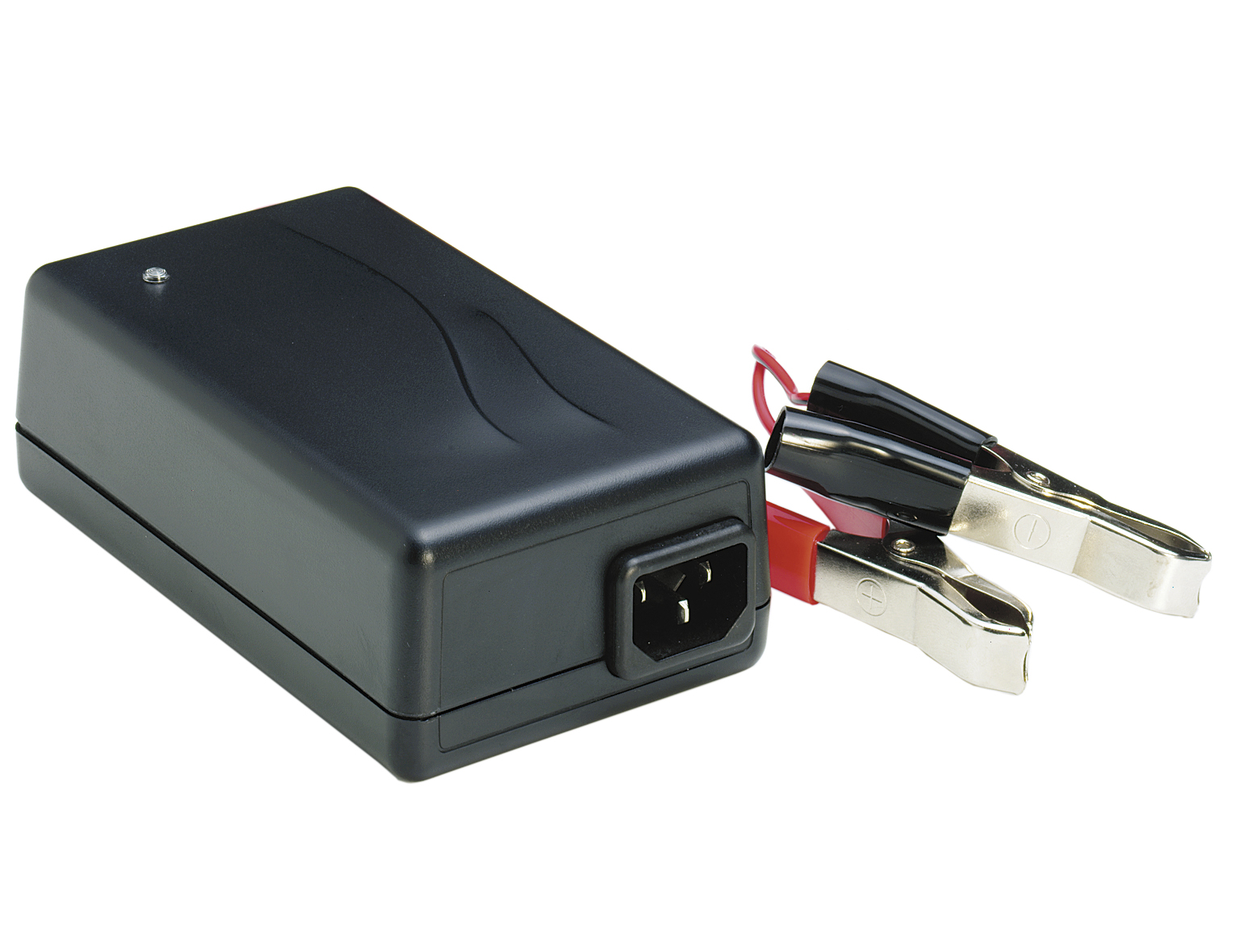
Mascot 2040 12V/4A 3-Step SLA Battery Charger with timer
£82.10 + VAT£98.52 Inc. VAT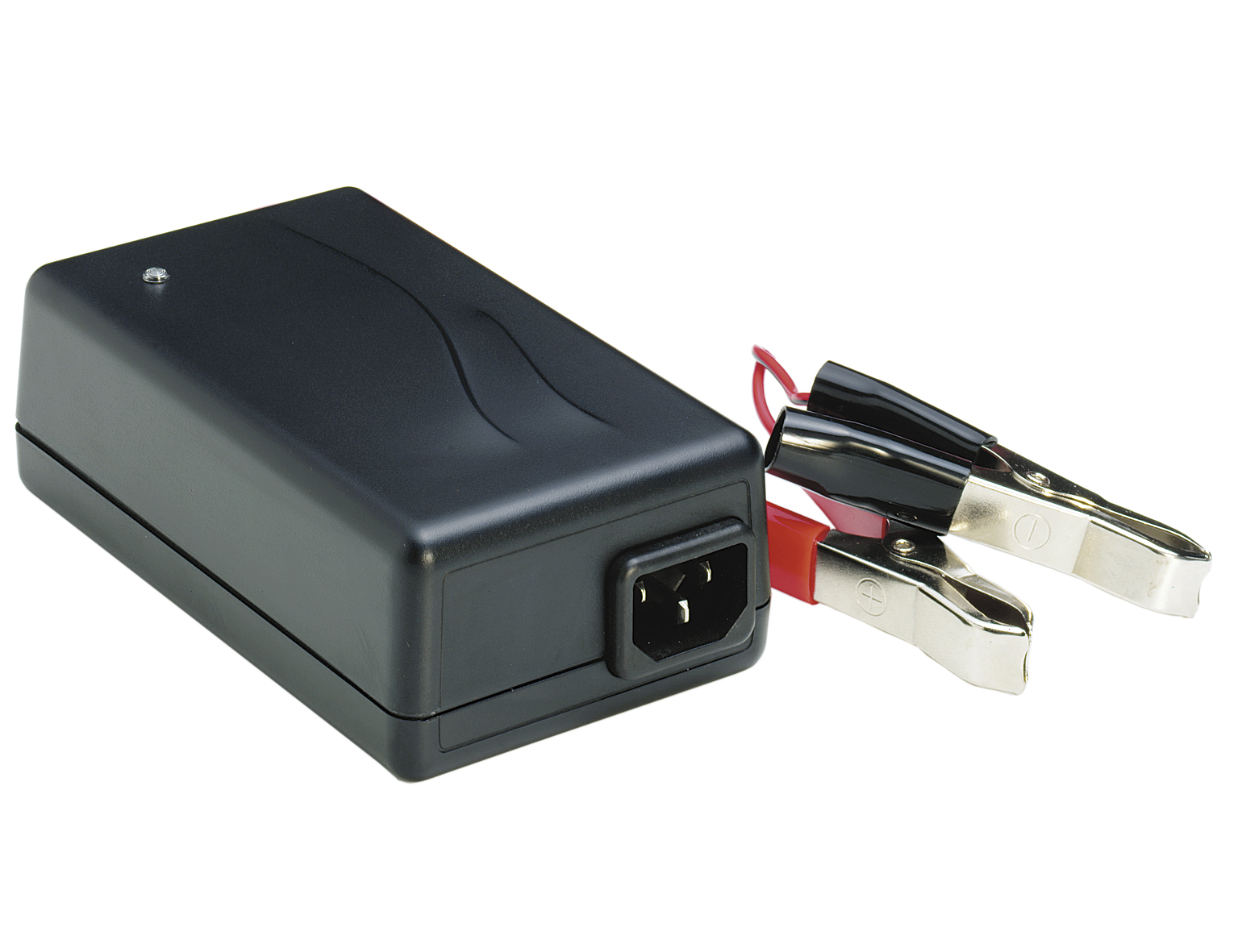
Mascot 2040 12V/4A 3-Step SLA Battery Charger with timer and battery clips
£85.16 + VAT£102.19 Inc. VAT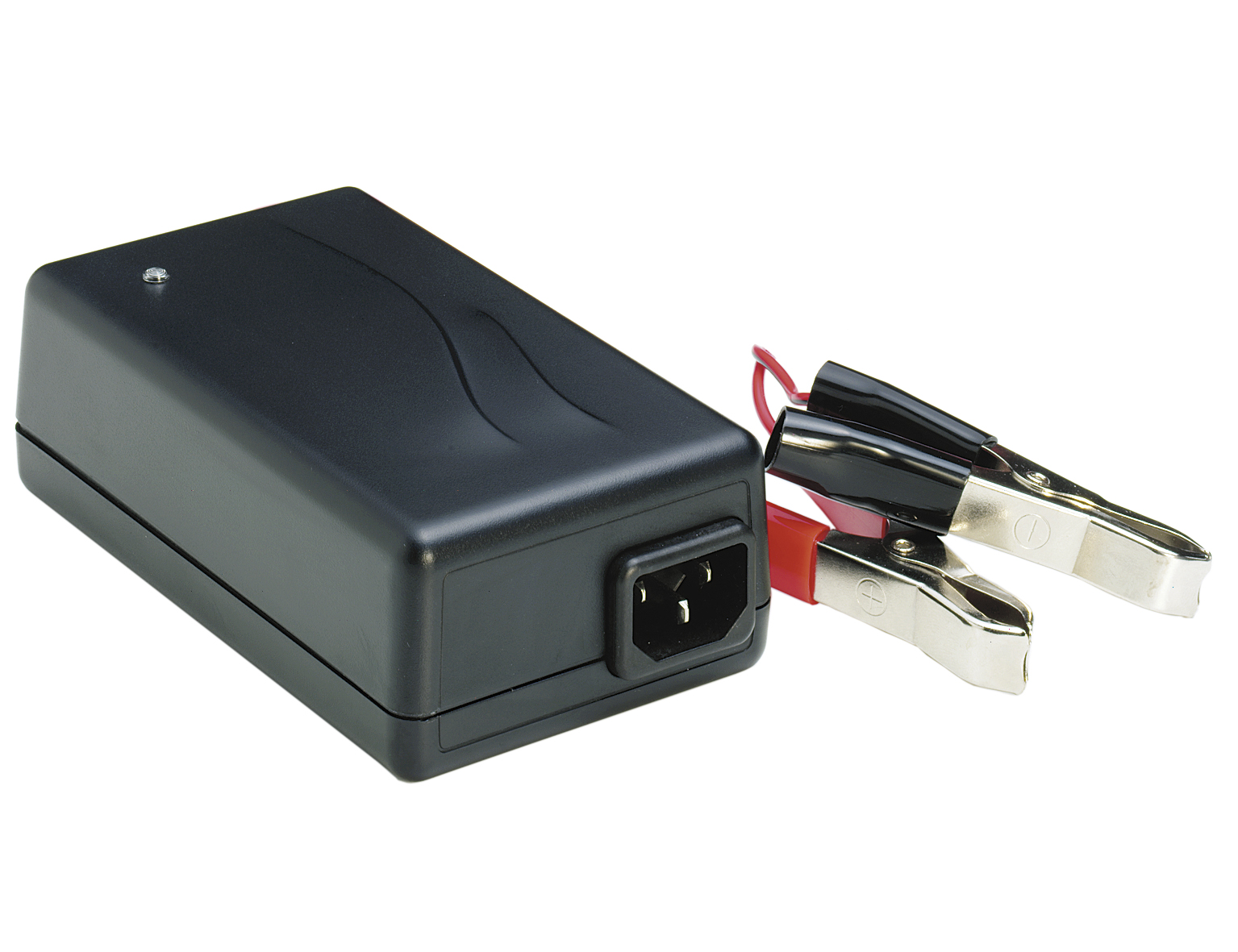
Mascot 2040 24V/2A 3-Step SLA Battery Charger with timer
£82.10 + VAT£98.52 Inc. VAT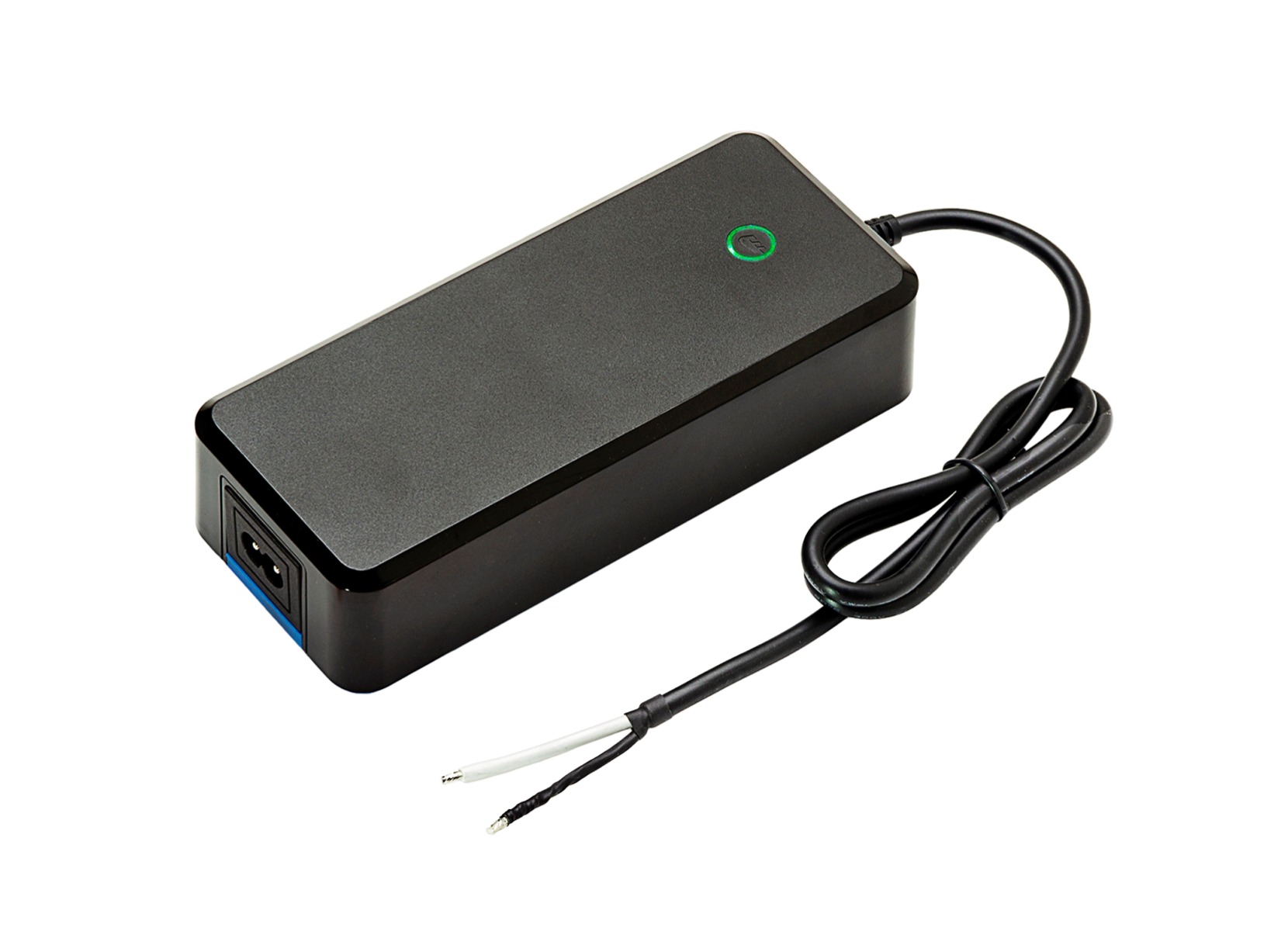
4340 LiFePO4 Charger, 90-264VAC, 4 cell, 5.5A, 2-pin IEC 320, current detection and unterminated output leads
£87.60 + VAT£105.12 Inc. VAT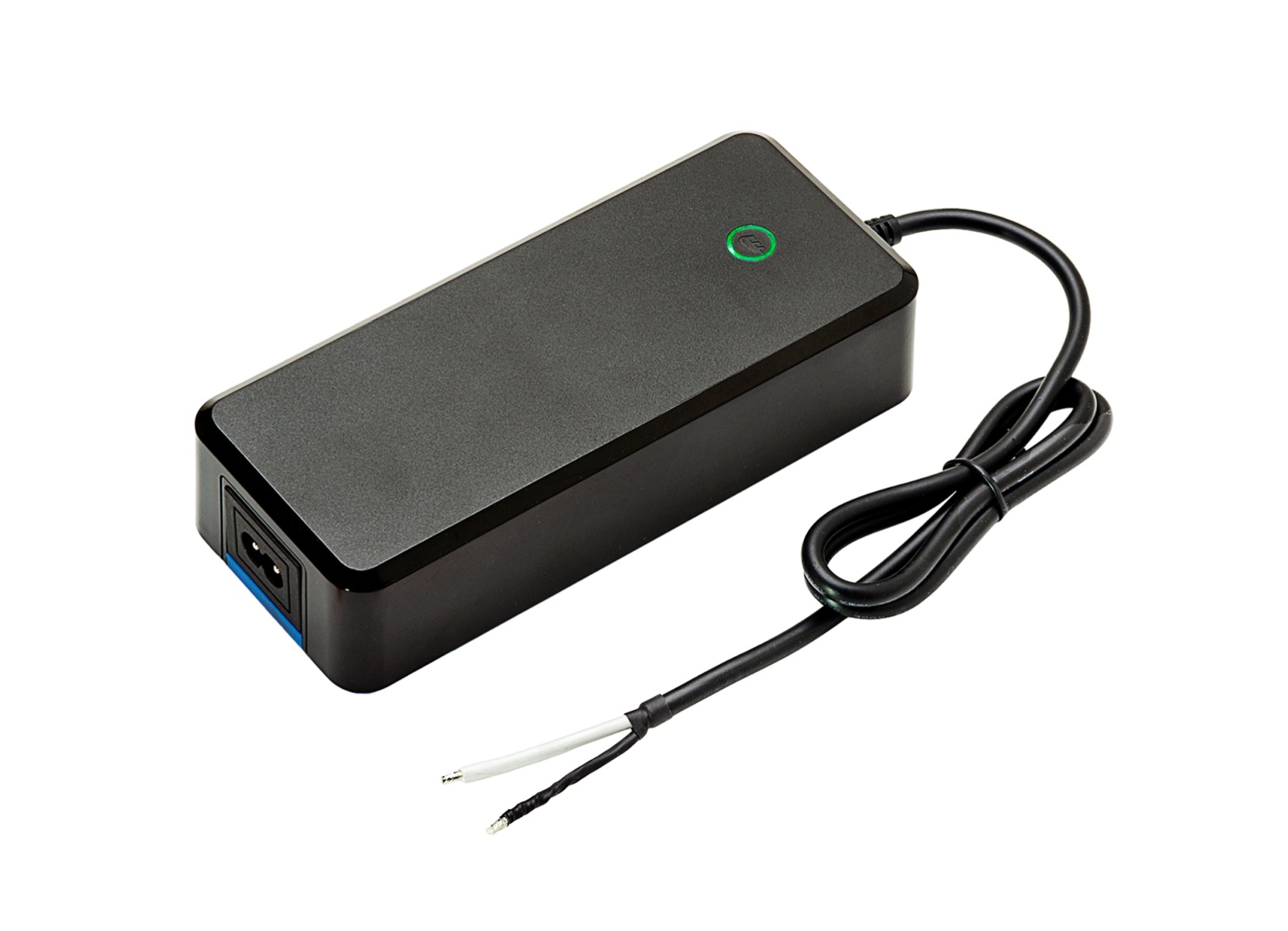
4340 LiFePO4 Charger, 90-264VAC, 8 cell, 2.75A, 2-pin IEC 320, current detection and unterminated output leads
£87.60 + VAT£105.12 Inc. VAT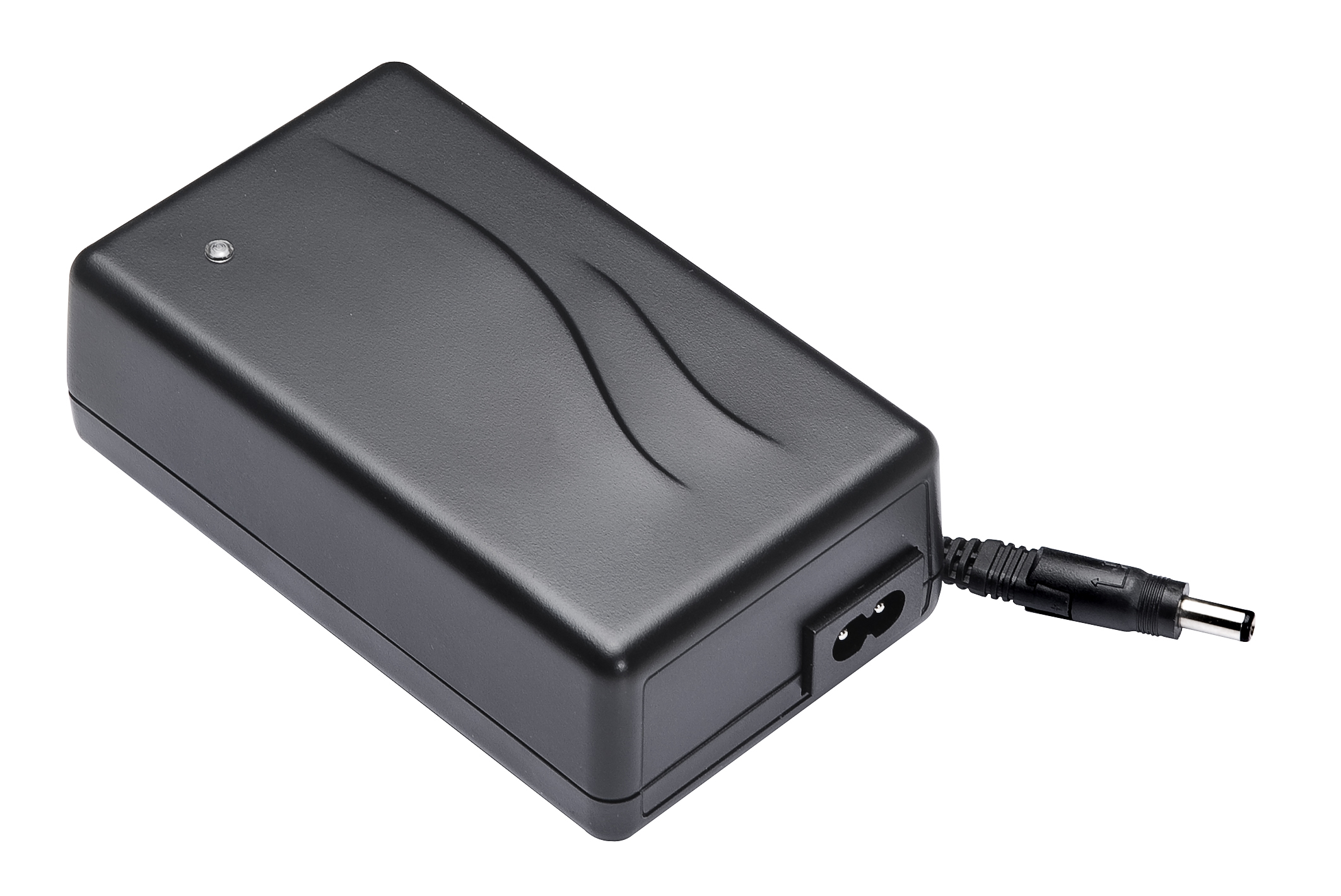
Mascot 2440LiFe 4 Cell / 4A LiFePO4 3-Step Battery Charger with current detection
£101.58 + VAT£121.90 Inc. VATFrequently asked
- Can I use a lead-acid charger on a LiFePO4 battery?
- No - and this mistake destroys packs every season. LiFePO4 needs a constant-voltage profile around 14.4–14.6V (for a 4-cell 12V pack) with NO float stage; a lead-acid float of 13.6V will sit at the wrong cell voltage and slowly stress the BMS. Use the Mascot 2240 / 2440 / 4340 / 4040 LiFePO4 chargers, which are explicitly profiled for 4, 5, 6, 8, 10, 11, 12, 13 or 16-cell packs.
- How big a charger do I need for a 200 Ah leisure battery?
- Aim for 10–20% of the bank capacity, so 20–40 A for a 200 Ah bank. That fully charges an empty battery overnight (roughly 10–12 hours including absorption) without overheating the cells. The Mascot 4040 24V 4 A model suits 24V banks; for a 12V 200 Ah bank pair a 4040 12V 8 A with a second feed, or step up to the 4040 12V LiFePO4 if the bank is lithium.
- Will the charger float on the battery for weeks at a time?
- Yes - the Mascot 2040, 4040 and 4340 ranges are explicitly designed for permanent float operation. They detect end-of-charge, drop from absorption (14.4–14.7V) to float (13.6–13.8V) automatically, and will sit on the battery indefinitely without overcharging. For LiFePO4 the 'float' is really a constant-voltage hold with current termination - the charger stops once the BMS reports full.
- Do I need a separate shore-power inlet, or can the charger plug into the existing socket?
- Most installations use a sealed BS EN 60309 ('Commando') shore-power inlet with an RCD-protected distribution, and the charger sits on the 230V side via a 3-pin IEC cord. All Mascot chargers ship with a 2-pin IEC inlet (and we supply UK or EU mains leads as required), which keeps the boat-side wiring tidy and lets you replace the lead if it gets damaged.
- What's the difference between the 2040 with battery clips and the version without?
- Functionally identical - the clip version comes with a pre-fitted set of insulated croc clips for portable / workshop use, the open-lead version lets you terminate into ring lugs or a battery-management bus. Pick the open-lead version for permanent installs.