
Lithium pack chargers for EV conversions and light traction
Light-EV, mobility and traction packs need chargers matched precisely to the cell count and chemistry of the pack. The wrong charger won't just under-charge - it will sit at the wrong per-cell voltage and either trip the BMS into permanent fault or, on Li-Ion, overcharge the top cells until thermal runaway becomes a real risk. The Mascot range removes the guesswork by listing the cell count explicitly in every Model: the 4340 family (87W, ~3A typical) covers 3–6 cells of Li-Ion and 4 or 8 cells of LiFePO4 for small e-bike and mobility packs; the 4040 family (191W, ~8A typical) covers 4, 8 and 16 cells of LiFePO4 and the 8–14 cell Li-Ion range for larger traction packs; the 3540LiFe series (285W, 5–10A) is the heavy hitter for 7, 9 and 16-cell LiFePO4 conversion packs. Every charger uses constant-current then constant-voltage termination - never a lead-acid-style float - and includes current detection so a deeply discharged pack restarts cleanly through its BMS.
What to look for
- Cell-count-matched output voltage - every series count needs its own Model; never substitute
- Chemistry-matched profile: LiFePO4 max 3.65 V/cell, Li-Ion max 4.20 V/cell - these are not interchangeable
- Constant-current bulk then constant-voltage termination, with current-taper cutoff (no float stage)
- Current detection / soft-start so the charger restarts safely on a BMS-disconnected pack
- Output cable terminated to suit your BMS connector (open ends for ring-lug termination, or coaxial DC where the pack uses a jack)
- Forced-air cooling on the high-current 3540 series; convection cooling on the smaller 4340 / 4040 - pick mounting accordingly
Recommended Mascot Models
Curated from our UK stock for ev/ lithium packs use. Need help picking? Call 01189 795319 or request a quote.
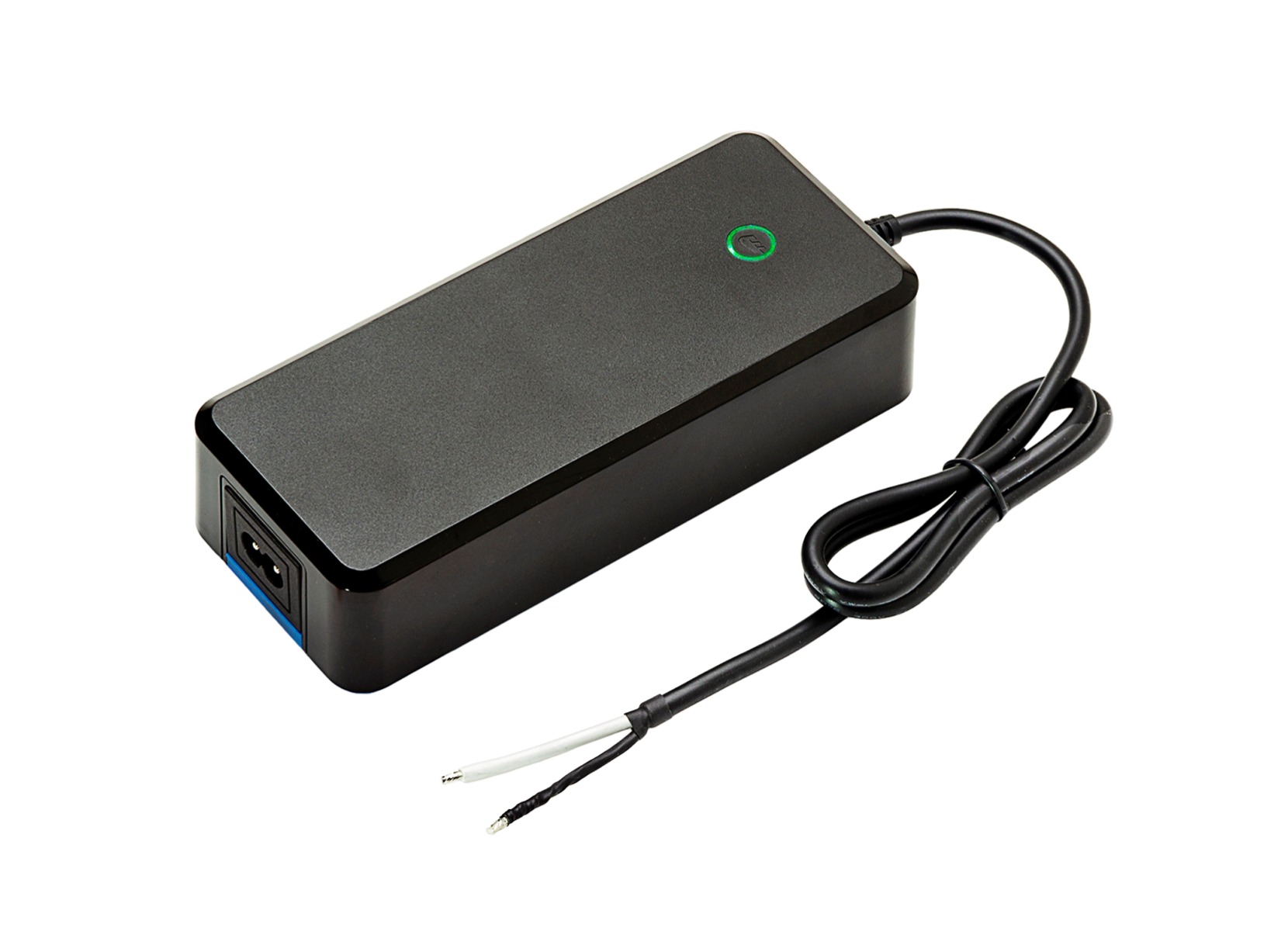
4340 LiFePO4 Charger, 90-264VAC, 4 cell, 5.5A, 2-pin IEC 320, current detection and unterminated output leads
£87.60 + VAT£105.12 Inc. VAT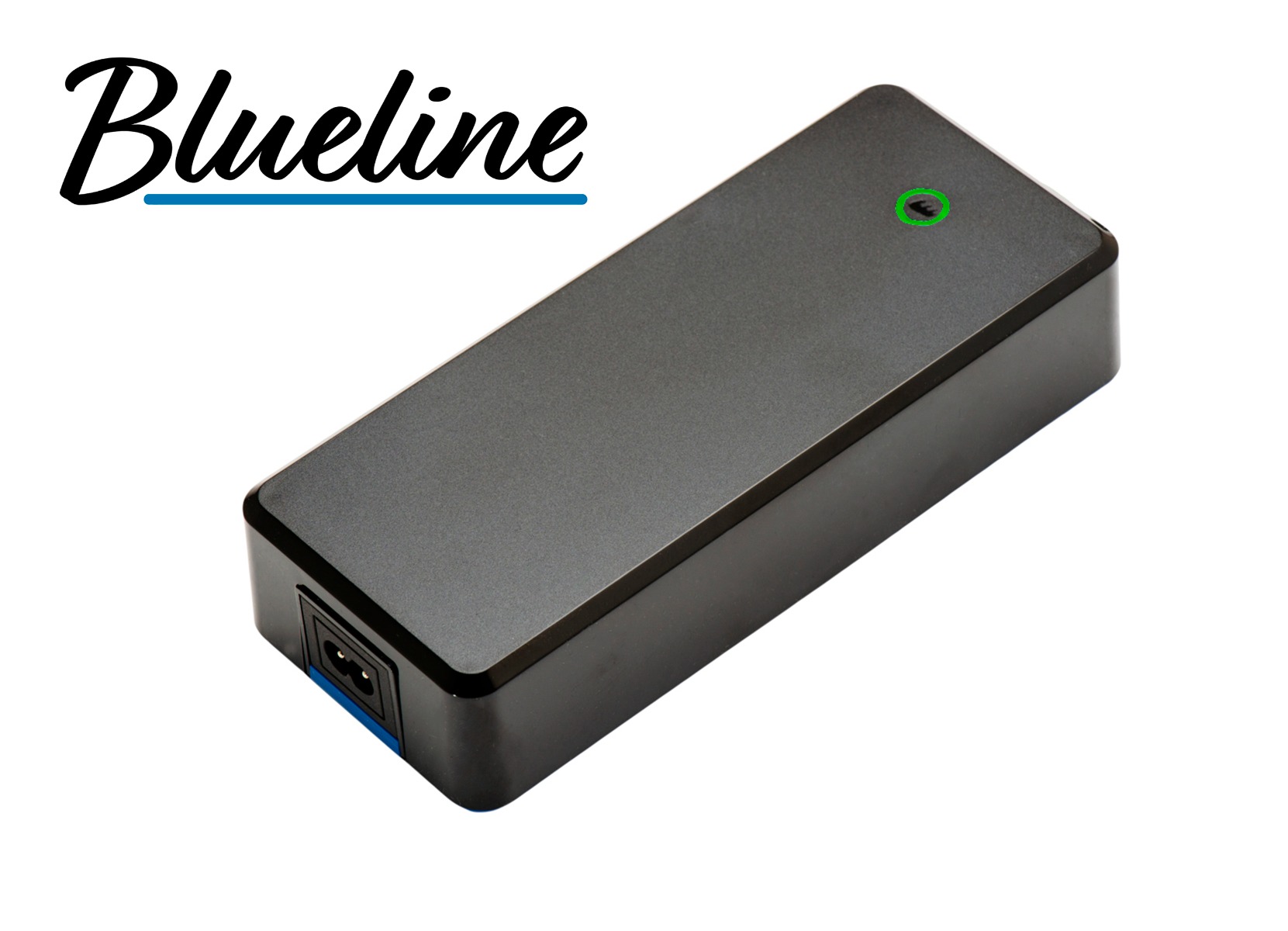
4040 LiFePO4 Charger, 90-264VAC, 4 cell, 8.0A, 2-pin IEC 320, Output cable with open ends
£191.29 + VAT£229.55 Inc. VAT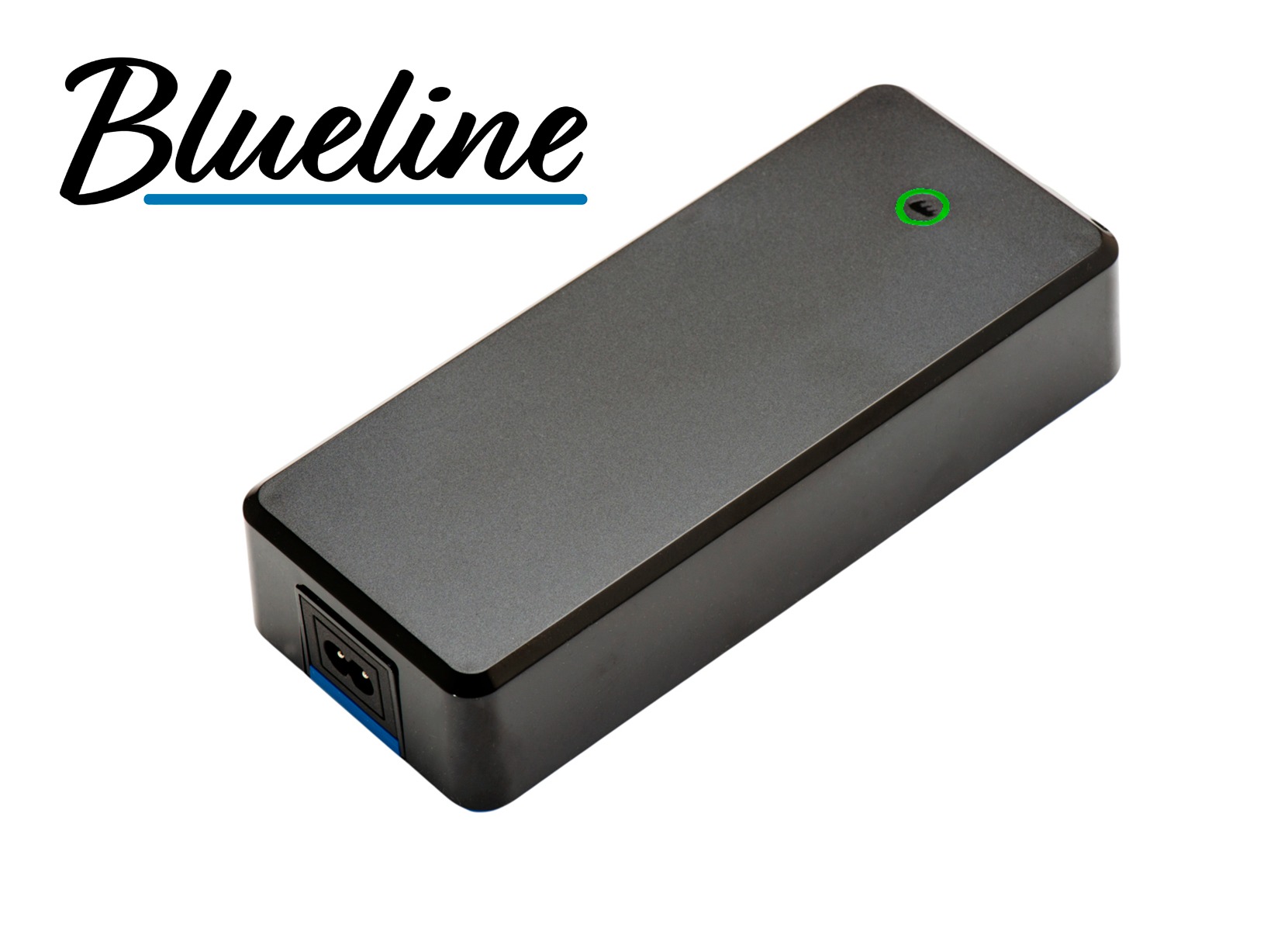
4040 LiFePO4 Charger, 90-264VAC, 8 cell, 4.0A, 2-pin IEC 320, Output cable with open ends
£191.29 + VAT£229.55 Inc. VAT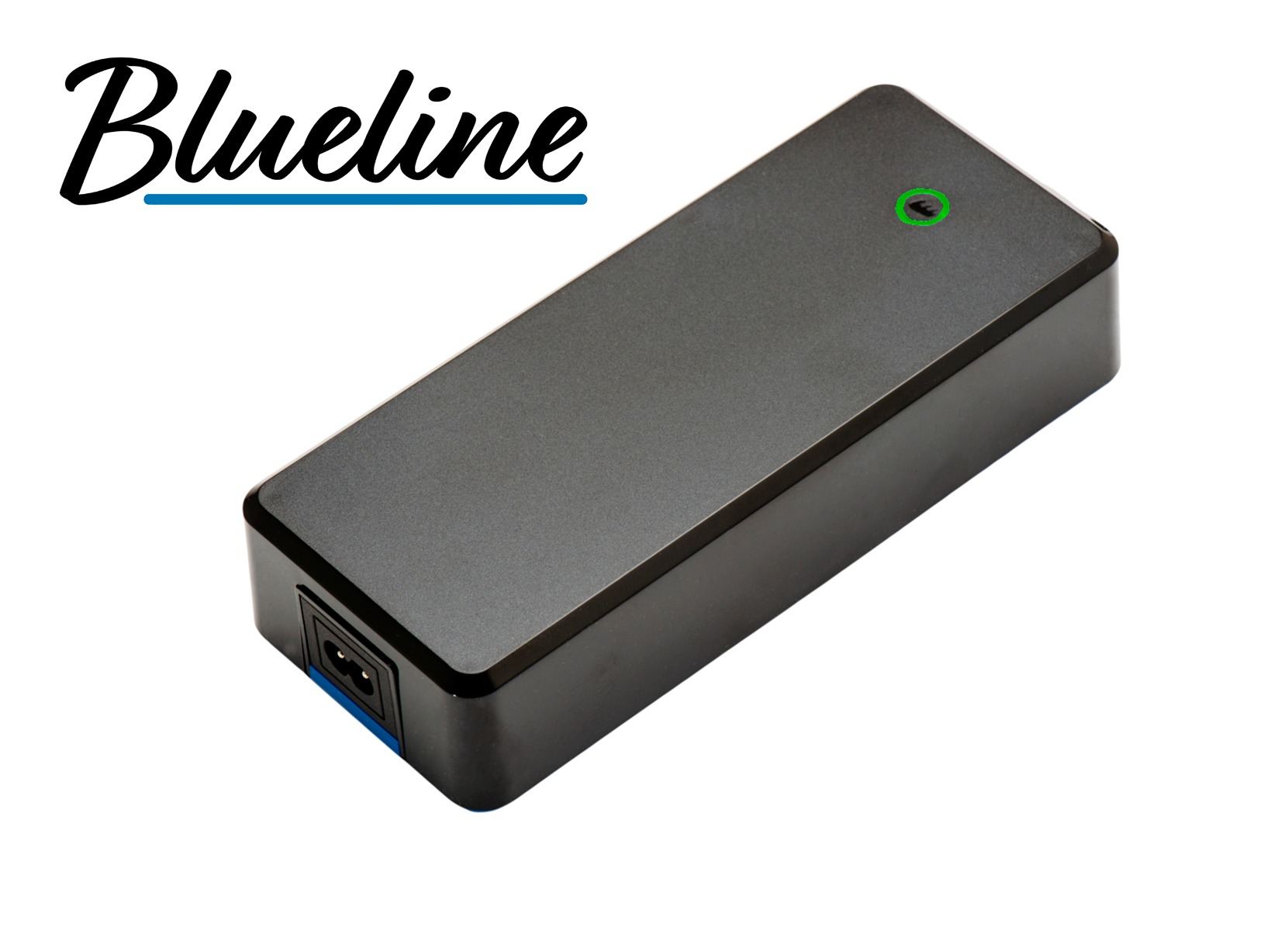
4040 LiFePO4 Charger, 90-264VAC, 16 cell, 2.0A, 2-pin IEC 320, Output cable with open ends
£191.29 + VAT£229.55 Inc. VAT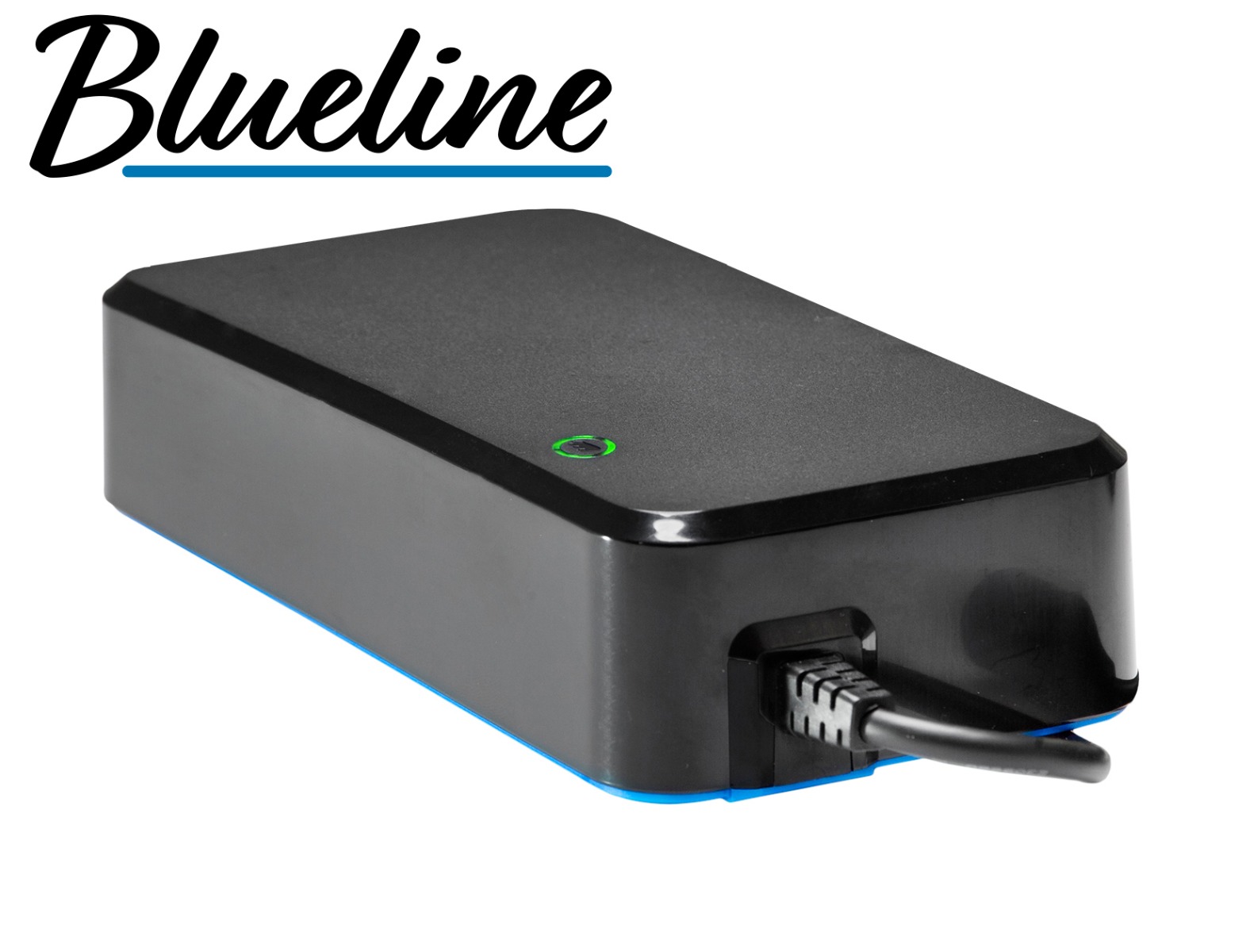
3540LiFePO4 7 Cell/10A 3 step Battery Charger
£285.23 + VAT£342.28 Inc. VAT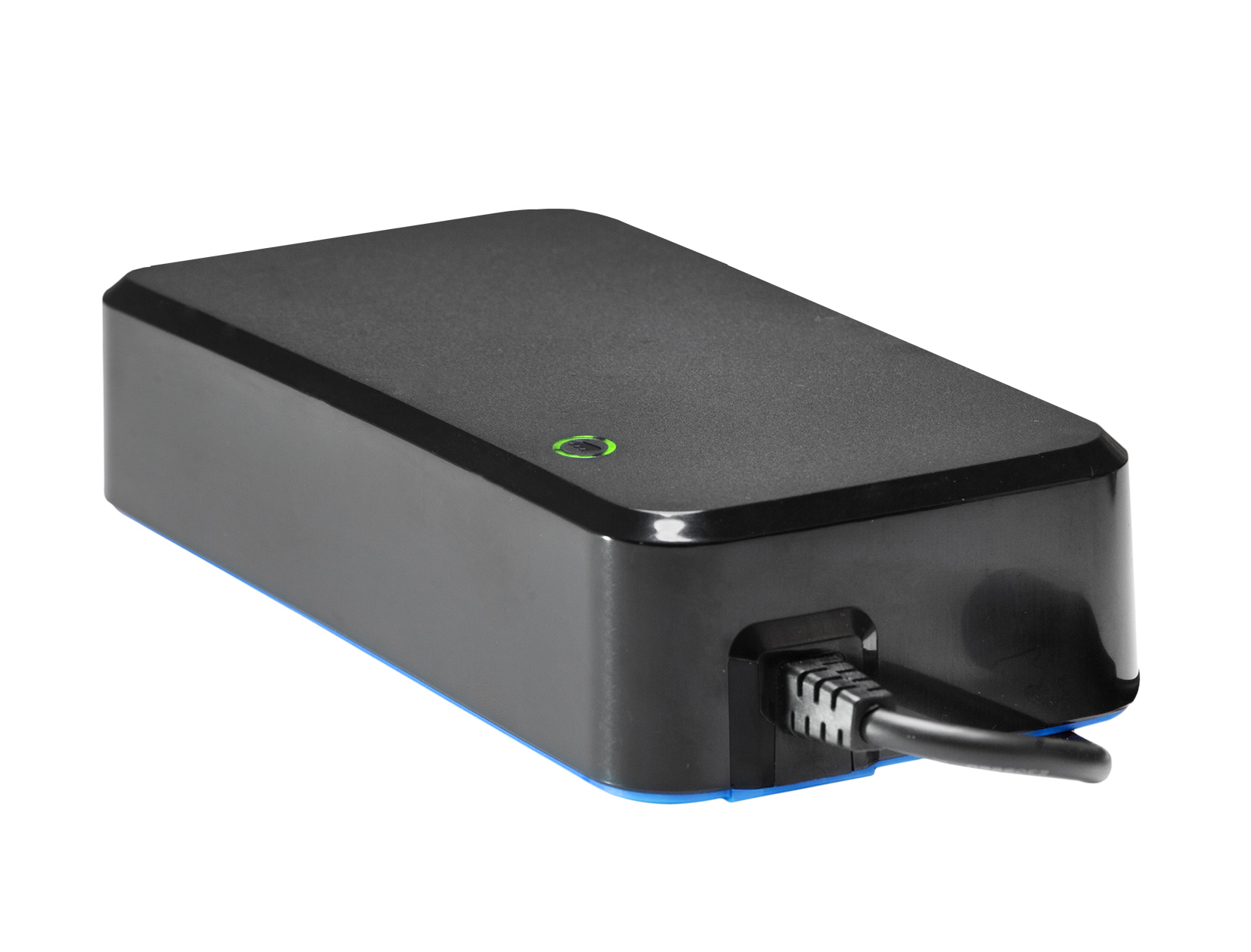
Mascot Blueline 3540LiFe 8 Cell / 10A LiFePO4 3-Step Battery Charger with current detection
£285.23 + VAT£342.28 Inc. VATFrequently asked
- How do I pick the right charger for my pack?
- Three numbers: cells in series, chemistry, and pack capacity (Ah). The cell count picks the Model (e.g. a 4-cell LiFePO4 pack = 14.4–14.6V termination, look for '4 cell' in the name). The chemistry picks the family (LiFePO4 vs Li-Ion are different per-cell voltages). The capacity picks the current rating - roughly 0.3–0.5 C is a comfortable charge rate (so a 10 Ah pack wants a 3–5 A charger, a 20 Ah pack wants 6–10 A).
- Can I charge a LiFePO4 pack with a Li-Ion charger?
- No. Per-cell voltages differ - LiFePO4 maxes at 3.65V per cell, Li-Ion at 4.20V per cell. A Li-Ion charger on a LiFePO4 pack will overcharge every cell to 4.2V and either trip the BMS into protect or, if the BMS fails, take the pack into thermal runaway. Never substitute.
- Why does the same model number have so many Models?
- Because each cell count needs a unique termination voltage. The Mascot 4340 LiFePO4 family alone covers 4-cell at 14.6V/5.5A, 8-cell at 29.2V/2.75A, and the 4040 covers up to 16 cells at 58.4V/2A. Same chassis, different secondary winding and firmware profile - pick by the cell count printed in the Model name.
- Do I need a separate BMS, or is the charger enough?
- You always need a BMS on a lithium pack - it balances cells during charge and disconnects under fault. The charger and BMS work together: the charger delivers the bulk energy with the correct profile, the BMS keeps individual cells in range and terminates if anything goes wrong. The Mascot current-detection feature is what lets the charger restart cleanly after the BMS has tripped.